
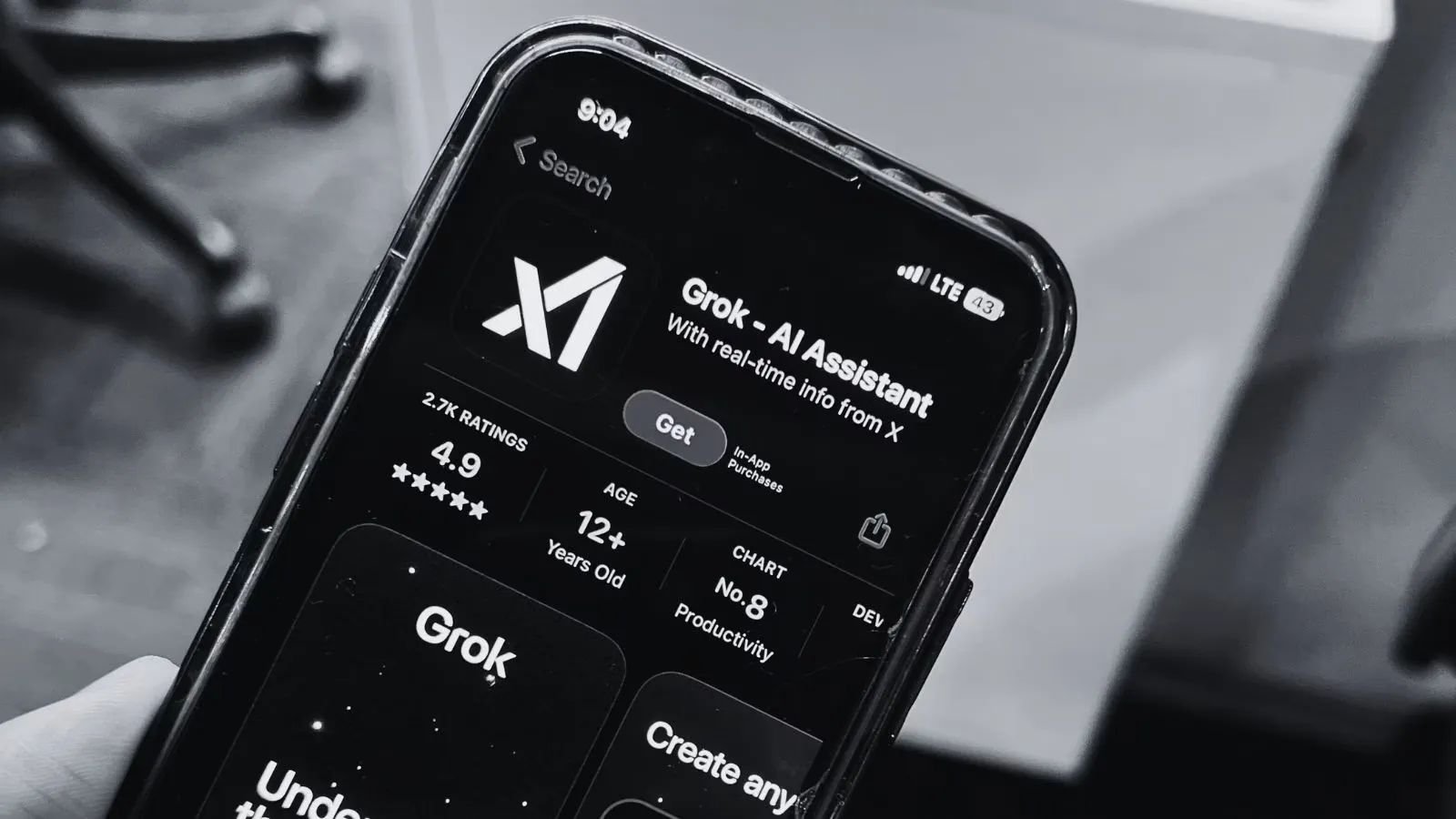
Elon Musk has said that he will rename SpaceX’s AI unit to closely reflect the term US President Donald Trump has been pushing, super intelligence or ‘SI’, instead of ‘artificial intelligence’.The tech billionaire in a post on X on Sunday, October 4, said that the name of SpaceXAI will be changed to SpaceXSI. However, he did not provide any further details regarding the Grok-maker’s rebrand.“Yes, we will make that change,” Musk said in a reply to a user on X asking him about the possibility of renaming SpaceXAI to SpaceXSI.The SpaceX CEO is one of the first bold-faced names in Big Tech looking to embrace Trump’s preferred term for AI. Earlier, Nvidia CEO Jensen Huang also said that data centres should now be referred to as ‘superintelligence factories’. These proposed name changes come days after tech CEOs and AI industry leaders met with Trump at the White House, and signed onto an agreement of voluntary safety standards that Trump said was “morally binding”.
The voluntary pact primarily involves AI frontier companies teaming up with an independent external auditor to assess that models are “operating as intended” and implement internal controls to ensure that their AI agents do not hack systems.
However, several critics have argued that AI is facing a crisis of public trust and a name change is unlikely to resolve mounting concerns over safety risks posed by the rapidly evolving technology.
A look at Trump’s ‘super intelligence’ push
Speaking at the UN General Assembly, Trump said, “From this point forward, all of United States documents, and hopefully the world’s will be changed to use the much more accurate term ‘super’ as opposed to artificial. So it’s super intelligence.”Story continues below this ad
The US president has even signed an executive order renaming artificial intelligence to “super intelligence” in order to better capture the fact that the technology does “much more than imitate or automate discrete aspects of human intelligence.”
The executive order further requires US government agencies at the federal level to use the new term, or “SI,” when referring to the technology in public communications, websites, reports and policy documents.
Michael Kratsios, director of the Office of Science and Technology Policy, has reportedly been tasked with figuring out whether an official definition of the new term should be modified or expanded, as per the order.
On one hand, AI industry leaders such as Anthropic CEO Dario Amodei and OpenAI CEO Sam Altman have called for a deliberate slowdown of frontier AI progress and urged the government to implement federal guardrails on frontier AI models, Trump has so far opposed regulation. He has also repeatedly dismissed whistleblowers’ warnings of AI security risks as overblown and a ‘hoax’.Story continues below this ad
The Trump administration has also set up a task force or ‘Super Intelligence Force’, which will be tasked with producing a report on the risks and opportunities of AI within 120. The group will be led by Trump’s newly appointed AI czar, Jay Clayton, who also serves as the director of national intelligence.
Meanwhile, California Governor Gavin Newsom has looked to counter Trump’s super intelligence push by issuing an executive order of his own, requiring state agencies to refer to the technology only as ‘artificial intelligence’ or AI.
“Super intelligence is clearly not coming from the White House — that’s why California continues to lead,” Newsom said in a statement.
What does ‘SI’ mean in the AI space?
So far, super intelligence has been used by AI industry executives and researchers to refer to an AI system with cognitive capabilities that essentially outperform humans in all aspects of thinking. Currently, such an AI system is hypothetical and does not exist.Story continues below this ad
The term is also a severely contested one. Proponents of AI often use it to describe systems that surpass human abilities and bring major benefits. On the other hand, AI safety advocates have warned that such systems could outpace human control and may lead to the extinction of human beings.There are several other terms in AI discourse that are closely related to super intelligence, but slightly vary in meaning.
For instance, artificial super intelligence (ASI), has its roots in a 2014 book titled Superintelligence: Paths, Dangers, Strategies written by controversial philosopher Nick Bostrom.
OpenAI has been pursuing artificial general intelligence (AGI), which is an umbrella term used to refer to technology that outperforms humans in several tasks without specifically being trained to do so. However, in September 2024, Sam Altman outlined a heady vision of ASI and what it would be like to live in a world with such technology.
“It is possible that we will have superintelligence in a few thousand days (!); it may take longer, but I’m confident we’ll get there,” Altman wrote in his 2024 blog post titled ‘The Intelligence Age’.Story continues below this ad
Another term popularised by a tech CEO is ‘personal superintelligence’. In August 2025, Meta CEO Mark Zuckerberg published a letter outlining his vision for personal superintelligence, which is rooted in the idea that people should use AI to achieve their personal goals.
“Meta’s vision is to bring personal superintelligence to everyone. We believe in putting this power in people’s hands to direct it toward what they value in their own lives. This is distinct from others in the industry who believe superintelligence should be directed centrally towards automating all valuable work, and then humanity will live on a dole of its output,” he said.