
OpenAI has outlined an ambitious roadmap for ChatGPT in 2026, as it aims to turn the AI chatbot into a ‘personal super-assistant’ and refine its tone while addressing the capability overhang of its AI products and unlocking broader economic value.
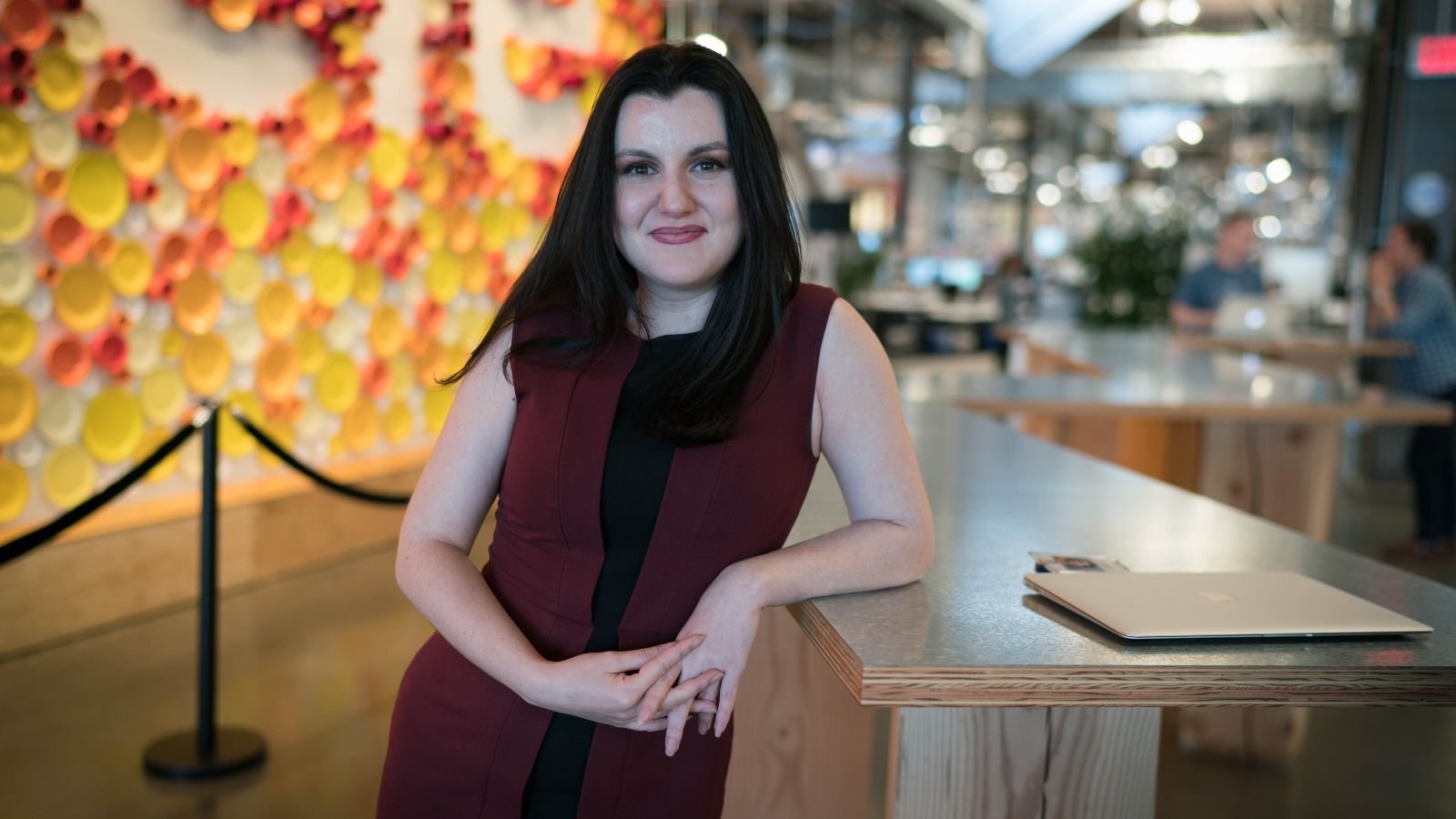
“In 2026, ChatGPT will become more than a chatbot you can talk to to get advice and answers; it will evolve into a true personal super-assistant that helps you get things done. It will understand your goals, remember context over time, and proactively help you make progress across the things that matter most,” Fidji Simo, OpenAI’s CEO of Applications, said in a Substack post on Monday, January 5.
Suggesting that OpenAI would be rolling out more GPT-powered products this year, Simo said that the team would also have to double down on the products launched by the startup in 2025 such as ChatGPT Pulse and ChatGPT App Store.
“We will invest in collaboration features, like group messages, to unlock multi-player workflows so users can plan and create together,” she added. The former Instacart CEO and head of Facebook App said that OpenAI will continue to improve the core use cases of ChatGPT such as writing, learning, health, shopping, advice, personal finance, and more.
Simo’s roadmap to close the gap between the capabilities of AI and its everyday use reinforces the narrative that ChatGPT is on its way to becoming an everything app. Having earned a reputation as a product visionary known for scaling consumer apps globally, Simo has taken charge of every ChatGPT-related feature or function that may help generate revenue since joining OpenAI last year.
However, Simo faces an uphill challenge with many experts noting that a clear monetisation path for AI remains elusive. Additionally, OpenAI has committed more than $1 trillion to data centres and AI infrastructure while counting on revenue to come from new shopping tools, consumer gadgets, online advertising, Sora sales, and government deals.
“Raw intelligence won’t be enough to make AI the greatest source of empowerment. We have to turn that capability into usefulness. If we do that, ChatGPT will be the place people come every day to get the most important parts of their lives and work done,” Simo wrote in her blog post.Story continues below this ad
OpenAI’s enterprise goals
Besides generating value for consumers, Simo also emphasised a focus on meeting the demand of the most AI-forward enterprises. Claiming that GPT 5.2 is the best AI model for everyday professional work, the OpenAI executive said, “Our models this year will get even better at coding, artifact generation (i.e. docs, sheets, slides), organizational memory, and more tasks that enterprises value.”
Amid the rise of AI agents, Simo highlighted the need to develop a shared foundation to deploy and manage these autonomous systems at scale. “We’re well positioned to become the underlying operating system for enterprise automation, and work to easily connect enterprises with a thriving ecosystem of AI companies and services beyond our own,” she said.
OpenAI also plans to improve ChatGPT for Work so that it can better understand an organisation’s context (documents, systems, workflows). It further mentioned developers as central to its 2026 strategy for ChatGPT. “Our goal is to give developers an automated teammate they can rely on and a platform they want to build on,” Simo said.