
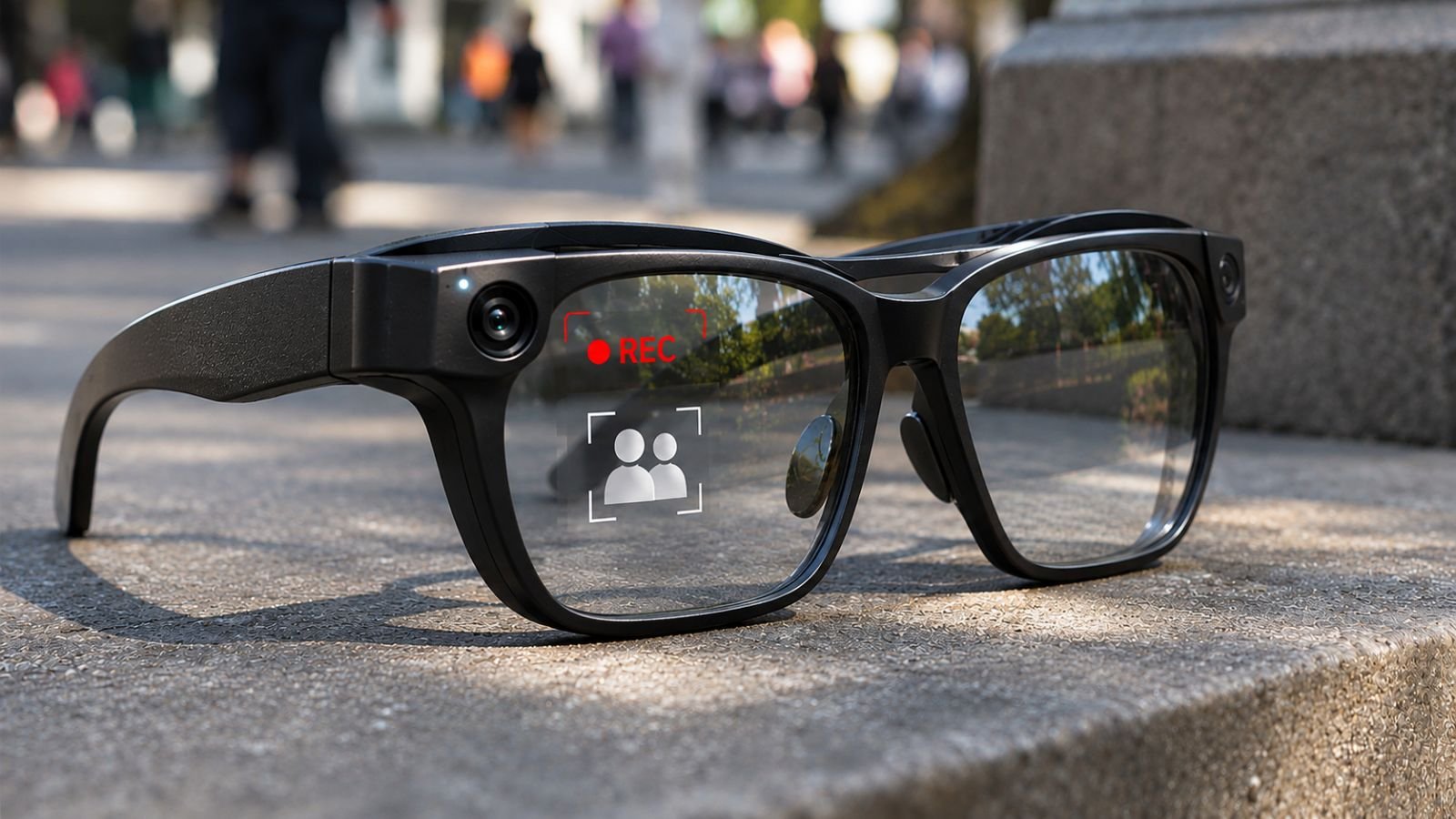
With AI-powered smart glasses becoming increasingly ubiquitous, concerns about their use are also being raised.Autoriteit Persoonsgegevens (AP), the independent data protection authority of the Netherlands, has advised people against buying AI-integrated smart glasses for general use, citing safety and privacy concerns. The recommendation has renewed the debate around privacy risks linked to such camera-equipped glasses, especially when they are used to record non-consenting people without their knowledge.In an announcement on Thursday, November 19, the privacy body highlighted several concerning findings after it tested six smart glasses models that were available in the Dutch market. During its tests, one pair of glasses claimed to have called an ambulance during a simulated medical emergency when no call had been made. Another provided dating advice to an adult who expressed romantic interest in a minor. The glasses also distorted medication instructions and safety warnings.
Even though the AP is advising people against buying AI-powered smart glasses, it has not called for an outright ban on their sale.
The recommendation follows an earlier warning issued on September 22, 2026, which said that people using camera-equipped glasses cannot freely use, share, or publish footage in which other people are identifiable. Even those who are incidentally captured in photographs or videos are entitled to privacy protection, and most users may not be aware of their responsibilities under European privacy laws, according to the AP.
The regulator has also urged organisations to consider limiting camera-equipped glasses through their internal workplace and premises policies. It is exploring additional measures that could be necessary to address the rising use of camera glasses and other wearable devices equipped with cameras. The glasses in question mostly look like ordinary spectacles and are currently popular among consumers. They come with cameras and microphones built into their frames and are connected to a smartphone, allowing users to take pictures, record videos, and chat with AI assistants. Iterations of the smart glasses over the years have made it practically difficult for people around the wearer to distinguish if they are being looked at or being recorded.
Smart glasses and mounting concerns
Most of the brands today have included small indicator lights in camera glasses that show when it is recording. AP claims that this light alone is not enough to let people know that their data is being collected and processed.Story continues below this ad
The AP also found security vulnerabilities in several of the glasses it tested. These flaws could likely let someone nearby connect to a device without the owner’s permission, access recorded footage, or even operate its camera remotely. The regulator also found that AI features in the tested glasses often processed images and audio through external servers that were in some cases located outside the European Union. Users were not given enough information about which AI models processed their data or which companies had access to it.
Meta, which is among the biggest sellers of smart glasses, has faced scrutiny about how it handles footage captured by its devices. In February 2026, an investigation by Swedish newspapers Svenska Dagbladet and Göteborgs-Posten revealed that outsourced staff in Kenya had viewed sensitive images and videos recorded using Meta’s smart glasses. Following this, Meta claimed that some content may be reviewed by staff to improve its AI systems and that it used measures such as blurring faces to protect users’ privacy. It needs to be noted that AP has not revealed which brands it tested, so it is not known whether Meta’s glasses were part of its investigation.
The regulator’s concerns are rooted in the European Union’s General Data Protection Regulation (GDPR), the bloc’s widely cited privacy law. GDPR considers photographs and videos in which people can be identified as personal data. By this definition, recording a person using smart glasses can bring the wearable within the scope of the data protection legislation.
Personal versus public use
The regulator also emphasised the difference between recording for personal use and sharing it across the internet. There is an exemption under GDPR law which can be applied to recordings made strictly for personal or household purposes. For example, a person recording a birthday party at home and keeping the footage within a small circle of family. However, the exemption does not apply to recordings that are shared more widely or published online. Users need a valid legal basis to process or share identifiable footage. Consent is one such basis, although GDPR recognises other legal grounds in certain circumstances. According to AP, obtaining consent from everyone in public can be impossible, and this makes the use of smart glasses particularly complicated.Story continues below this ad
The privacy watchdog has also urged people to practise extra caution when using smart glasses in spaces where people seek greater privacy, such as hospitals, courts, and religious buildings. The regulator has also advised administrators of such premises to consider prohibiting the use of camera glasses through their house rules. This concern also extends to workplaces, where recordings may end up exposing confidential business information or compromise the privacy of the staff, customers, or visitors.
As if cameras on smart glasses weren’t concerning enough, certain AI features are becoming worrisome, too. The latest generation of smart glasses comes equipped with AI features that allow wearers to ask digital assistants questions about their surroundings. These AI systems can process images and audio captured by the camera to understand the user’s surroundings and respond to questions. AP claims that this feature leads to privacy concerns that are much beyond conventional photography or video recording. The regulator said that people around the wearer may not only be recorded but could also have their personal information processed by an AI system without their knowledge. Most importantly, the regulator said that personal data can be processed even when an image or video is not permanently stored.
What does it mean for you?
So far, India does not have a blanket ban on filming people in public spaces. But recording someone in private settings, capturing intimate images without consent, or using footage to intimidate or stalk someone can attract legal consequences. In India, smart glasses are gaining popularity, but they are far from being a mainstream consumer product. Regardless, the growing popularity also calls for more awareness of personal privacy.
Users of smart glasses should be cognizant of those around them, especially when capturing identifiable individuals or recording conversations. Avoid using camera-equipped glasses in places such as washrooms, changing rooms, hospitals, and other private spaces where people expect privacy. One should also exercise caution when sharing recordings online and understand how their devices store, process, and share captured images and audio. With smart glasses becoming more commonplace, respecting the privacy of others will be an important part of using the technology responsibly.