5 min readNew DelhiAug 9, 2026 11:02 AM IST Tech industry leaders have long promised that AI will boost productivity, enabling workers to get more done in less time. But that extra time saved may not necessarily mean more vacation days or time off – at least for Meta employees.
The social media giant is instead looking to channel those AI-driven productivity gains into more, higher value work.
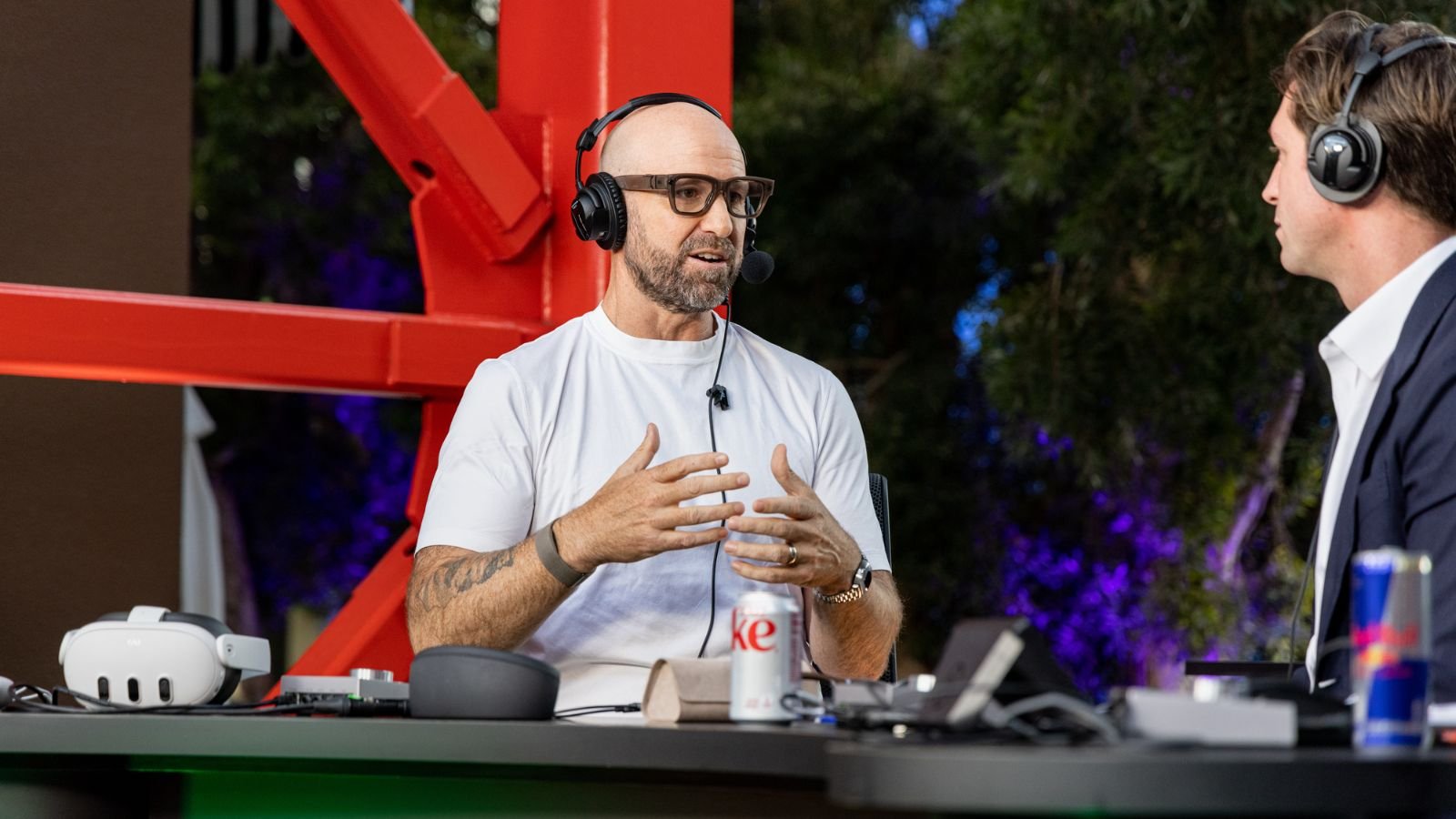
In a recent townhall with employees, Meta’s chief technology officer (CTO) Andrew Bosworth said that he does not think those supercharged by AI will be able to take more time off.
Bosworth further said that while working at Meta is not easy, that time should be used to build more products for its users since Meta staff are “doing the most exciting stuff on the planet.” His remarks were in response to a question posed by an employee asking him if AI productivity gains could be channeled into more vacation time, according to a report by Business Insider.
Bosworth was also asked if the company was looking to bring back an internal holiday programme called ‘Meta Days’ that allowed staffers to take two extra days off whenever they wish. The since-cancelled programme was replaced by Meta’s current leave policy which provides employees with four working weeks off a year, excluding public holidays, as per the report.
“I hope that what we do with our extra time is do even more and cooler stuff for the users who use our products every day. We got billions of people using our products every day. I get an extra hour. You know what I do with it? I put it into that,” Bosworth was quoted as saying.
“Go to your parents and ask them: Hey, like every time I get a chance to talk to my boss, ask me if I can have more days off. Ask your parents what they think of that as a career strategy,” he added, before apologising to the employee for coming down “too hard” on them without meaning to. He further stated that he felt the question was “tongue-in-cheek.”Story continues below this ad
Bosworth’s remarks come in the backdrop of a broader debate unfolding in the tech industry about the impact of AI on productivity and what that will mean in the future. Since the start of the year, several big tech companies have urged employees to use AI tools as extensively as possible. This trend was referred to as ‘tokenmaxxing’. Meta, for instance, even evaluated employees’ performance based on their usage of AI tools.
However, the price for using AI tools has increased substantially in the last few months while not always delivering commensurate productivity gains. As a result, several medium and large organisations that incorporated AI tools into their workflows to boost productivity have begun to question whether using AI tools translates to creating real value.
In order to cut down on internal AI costs amounting to billions of dollars, Meta recently imposed its own token budgets for employees and shut down an internal leaderboard called ‘Claudeonomics’, where employees competed amongst themselves on who burns through the most AI tokens.
Even if AI costs fall and the technology starts to deliver productivity gains, Silicon Valley appears to be divided over what comes next. While some predict that the AI-driven productivity gains will be channeled into more work, others have said that AI will give people more free time to spend with their families in a post-work future.Story continues below this ad
For instance, Amazon founder Jeff Bezos has previously said that he expects AI to make it easier for households to transition back to a single earner. Microsoft co-founder Bill Gates has repeatedly shared his vision of a post-labour world shaped by AI.
“We weren’t born to do jobs. Jobs are an artefact of the shortage. It is actually very hard to imagine this future, because of the whole system of markets and pricing and education, all of that is based on creating the human intelligence to provide for a broad range of services,” Gates said at an Express Adda held in March last year.
He added that as we get away from jobs we get “a lot more leisure time and it is almost a philosophical question about our purpose.”